We live surrounded by tiny, networked machines that learn our habits, anticipate our needs, and occasionally remind us to get up and move. These gadgets are no longer novelty items; they’re the scaffolding of modern routine, shaping how we eat, sleep, commute, work, and relax. In this article I’ll walk through the top smart devices that are changing the way we live, explain what makes them powerful, and offer practical notes about how to adopt them without getting locked into complexity or surveillance.
The rise of connected living: a brief overview
The last decade has seen connectivity shift from a convenience to an expectation. Low-cost sensors, ubiquitous Wi‑Fi and cellular coverage, and cloud services have turned isolated products into systems that communicate, update, and adapt over time.
This networked intelligence changes the value proposition of devices: what used to be a single-purpose tool can now learn from usage patterns and improve automatically. That learning is both the source of convenience and the domain of complexity, because interoperability, privacy, and software support now matter as much as hardware design.
As these devices proliferate, people face new trade-offs. You gain convenience and insights, but you also invite outside companies into daily life. Understanding what each device does, how it shares data, and how it will be supported over time is crucial before you commit.
Smartphones: the portable hub that started it all
Smartphones remain the central nervous system for most smart ecosystems, acting as controllers, identity providers, and gateways between local devices and cloud services. Modern phones combine location, authentication, network access, and powerful apps into a single pocketable device that many services depend on.
Beyond calls and messaging, smartphones function as remotes for home systems, health-tracking platforms, and keys for car-sharing and payments. Their constant presence and rich sensors make them uniquely suited to coordinate other devices, which is why virtually every smart product integrates with mobile apps and mobile-centric authentication.
Because phones are so central, their design choices ripple outward: platform lock-in, app ecosystems, and privacy settings determine which smart devices are easy to use. When evaluating other smart tech, consider how well it integrates with your phone’s operating system and whether the vendor prioritizes cross-platform compatibility.
Wearables: health, focus, and subtle nudges
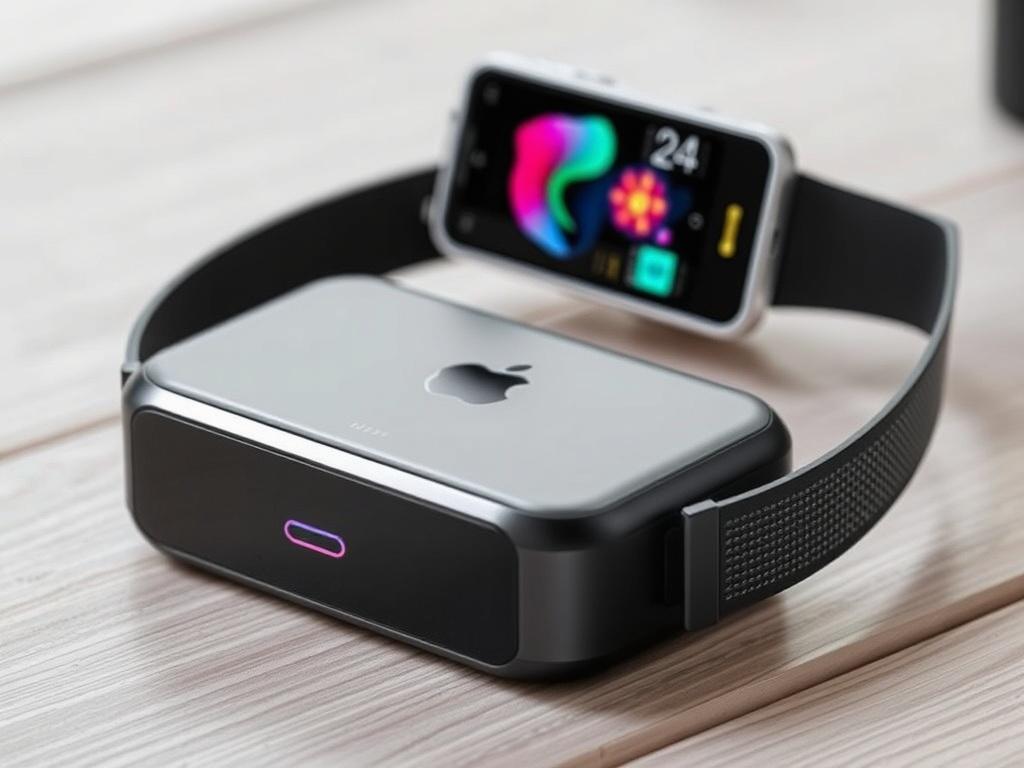
Wearable devices—smartwatches, fitness rings, and health patches—have shifted from fitness novelties to meaningful health partners. Their sensors track movement, heart rate, sleep, and in some cases blood oxygen or electrocardiogram signals, providing a continuous stream of personal data that can inform daily habits and medical conversations.
From my own experience, a smartwatch delivered small but reliable behavior changes: gentle activity reminders, sleep insights that forced an earlier bedtime, and notification filters that reduced the feeling of constant interruption. These nudges aren’t dramatic, but over months they compound into measurable improvements in activity and sleep regularity.
Wearables also introduce practical concerns: data accuracy, battery trade-offs, and what happens to long-term health records. If you plan to use wearables for medical decisions, choose devices with clinical validation and clear data portability options so your records can follow you to a doctor or a new vendor.
Voice assistants: conversation as a new interface
Voice assistants have turned spoken language into a primary interface for many tasks, from setting timers and playing music to controlling lights and checking calendars. This conversational layer makes technology more accessible — you can ask for information while your hands are full and get an immediate response in natural language.
Beyond convenience, voice interfaces enable quicker, lower-friction interactions in the home and in cars. However, voice control raises privacy questions because many systems route spoken commands to cloud servers for processing. Users should check how long voice recordings are stored, whether they can be deleted, and whether local processing options exist.
Designers are improving on privacy and offline capabilities, but voice assistants still vary widely in accuracy, available integrations, and customization. When selecting a platform, think about the breadth of compatible smart devices and whether the assistant supports routines and conditional logic that match your daily patterns.
Smart home essentials: thermostats, lighting, and locks
Certain smart devices have moved from curiosities to essentials because they touch the fundamentals of comfort and security. Smart thermostats, lighting systems, and smart locks offer energy savings, convenience, and a sense of control that nonconnected devices can’t match.
Smart thermostats learn schedules, react to presence, and enable remote temperature control, which often leads to meaningful energy reductions when set up correctly. Smart lighting systems let you create scenes, automate schedules, and integrate presence detection; they also provide color and dimming control that enhances ambiance while lowering electricity use.
Smart locks replace physical keys with codes, temporary access tokens, or smartphone authentication, changing how we manage visitors, deliveries, and short-term rentals. The trade-off is a reliance on software and connectivity, which means choosing vendors with a strong history of security updates and clear backup options is important.
Quick comparison: common smart home devices
Below is a concise table that highlights some popular categories, representative products, and what they typically offer. Think of this as a starter checklist rather than an exhaustive review.
| Device category | Representative products | Primary benefits |
|---|---|---|
| Thermostat | Google Nest, ecobee | Energy savings, scheduling, remote control |
| Smart lighting | Philips Hue, LIFX | Scenes, color control, automation |
| Smart lock | August, Yale | Keyless entry, guest management, activity logs |
| Smart speaker | Amazon Echo, Google Nest Audio | Voice control, music, hub for devices |
| Video doorbell | Ring, Arlo | Visitor alerts, remote viewing, recording |
Smart security: doorbells, cameras, and privacy trade-offs
Security devices such as video doorbells and networked cameras provide visibility into what’s happening at home and work, offering peace of mind with remote alerts and footage. These systems have reduced petty theft and simplified monitoring, but they also raise ethical and privacy considerations when cameras are placed in shared or public-facing spaces.
Video doorbells that include motion detection and cloud recording make package theft less stressful, and integration with smart locks can let you grant a delivery person temporary access. Yet users must weigh where footage is stored, who can access it, and whether the vendor shares data with law enforcement or partners without explicit consent.
Choosing security tech means balancing convenience and data control. Look for companies with robust encryption, transparent retention policies, local storage options, and straightforward ways to manage permissions for family members or service providers.
Robotic helpers and smart appliances: chores without the drama
Robot vacuums, smart ovens, and connected refrigerators have turned household chores into scheduled tasks and remote interactions. A robot vacuum that navigates rooms while you’re at work, or an oven that preheats on your way home, changes how we structure time and reduces friction in daily routines.
Smart appliances also collect usage data that manufacturers can use to offer predictive maintenance, energy insights, and improved firmware over time. That data can be useful, but it again raises the question of ownership: who can see how often you cook, what you buy, or which parts need replacement?
When I introduced a robot vacuum into my apartment, the immediate benefit was less time spent on floor-care routines and a surprising reduction in allergic reactions because the machine captured dust nightly. The experience taught me that even simple automation can shift expectations about household upkeep and free minutes for more intentional activities.
Connected cars and personal transport: shifting the commute
Vehicles are increasingly computers on wheels, and that transformation is reshaping commuting, safety, and convenience. From smartphone-based keyless entry to over-the-air software updates, modern cars receive many of the same benefits and challenges as other smart devices.
Electric vehicles and app-controlled scooters or bikes have introduced new ownership and access models, where you think less about fuel and more about software subscriptions and charging infrastructure. In daily life, connected cars can optimize routes, monitor vehicle health, and integrate home automation—your garage door can open automatically as you arrive.
These choices affect city planning and environmental impact, too. As commuters adopt more electric and shared options, traffic patterns change and emissions profiles improve. However, dependence on networked services for navigation and remote features again emphasizes the need for reliable updates and transparent privacy policies from manufacturers.
Health tech at home: monitoring and telemedicine
Home health devices have matured from simple scales to integrated systems that allow long-term monitoring and remote medical consultations. Devices such as connected blood pressure monitors, smart scales, and continuous glucose monitors feed data into apps that patients and clinicians can use for informed decisions.
Telemedicine platforms increasingly rely on those home devices to support virtual visits and chronic disease management. That integration reduces office visits for routine checks and opens access to care for people in remote or underserved regions, provided the devices are accurate and clinicians accept patient-generated data.
While these technologies expand access, they also bring regulatory and reimbursement questions. Not all devices meet clinical standards, and insurance coverage varies. If you’re using home health tech for medical reasons, confirm device validation and discuss data-sharing protocols with your healthcare provider.
Entertainment and media: personalized, on-demand, social
Smart devices have transformed entertainment into a personalized, on-demand, and often social experience. Streaming boxes and smart TVs adapt recommendations based on viewing habits, while mobile devices let you follow live events, chat about shows, and switch seamlessly between screens.
The personalization engines that recommend movies or music can be delightful, but they also create filter bubbles where you see more of what you like and less that challenges you. Balancing convenience with serendipity means occasionally seeking out new sources and turning off purely algorithmic suggestions when you want a broader perspective.
How smart devices are changing workplaces and learning
Smart devices have extended beyond homes into offices and classrooms, enabling flexible work arrangements, collaborative tools, and adaptive learning platforms. Connected whiteboards, conferencing systems, and classroom sensors can measure engagement and facilitate hybrid experiences that blur physical boundaries.
In workplaces, smart badges and occupancy sensors improve space utilization and safety. They can also improve efficiency by automating environmental settings based on schedules and presence. The same tech that makes meetings easier can also be used for employee monitoring, so companies and workers must agree on ethical limits and transparency.
Educational technology benefits from smart devices too: tablets, interactive displays, and learning apps tailor instruction to individual students and provide immediate feedback. For educators, the challenge is choosing tools that support pedagogy rather than distract with novelty, and ensuring equitable access for all students.
Choosing and integrating devices: practical tips
Adopting smart devices is easier when you begin with a clear purpose. Identify the pain point you want to solve—energy waste, physical security, remote caregiving—and prioritize devices that directly address that need rather than buying technology for its own sake.
Compatibility matters more than brand loyalty. Pick a primary ecosystem or platform that your household will use, then choose devices that support open standards or have proven integrations. This reduces frustration and prevents the “one more app” problem that fragments control across devices.
Here are practical steps to follow when adding a smart device:
- List the tasks you want automated and the people who will use the device.
- Research interoperability and long-term software support from the vendor.
- Prioritize security features like local control, encryption, and regular updates.
- Set up strong authentication and segment devices on a separate network if possible.
Security and privacy: what to ask before you buy
Security is not just a technical feature; it’s a product decision. Ask whether a device supports end-to-end encryption, local control when the cloud is unreachable, and whether security updates are delivered automatically and for how long.
Privacy questions are equally important: who owns the data, how is it shared, and can you delete it? A seller that won’t clearly answer these points is a red flag. Look for documented policies, and prefer vendors that allow data export and deletion without onerous procedures.
Finally, consider network architecture: segment smart devices on a guest or IoT VLAN, use strong, unique passwords, and enable multi-factor authentication where available. These steps limit damage if a device is compromised and keep your core credentials safer.
Economic and environmental impact
Smart devices can lead to cost savings—reduced energy use from smart thermostats or lower maintenance costs through predictive alerts. Over time, these savings can offset the higher up-front cost of smart models versus conventional alternatives.
However, the environmental impact of constant upgrades and shorter lifespans for some smart products must be considered. Electronics recycling, firmware longevity, and modular repairability matter when evaluating the real sustainability of a device, not just its energy profile during operation.
Buyers should weigh total lifecycle impacts and prefer vendors that publish repairability scores, offer spare parts, and commit to long-term support. That approach reduces waste and protects the investments you make in a connected home or workplace.
Design, accessibility, and inclusivity
Good smart devices are not just powerful; they are usable by diverse populations. Accessibility features like voice control, tactile feedback, and clear visual cues broaden the audience that can benefit from automation and monitoring.
Design choices can make or break adoption among older adults, people with disabilities, or those who aren’t tech-savvy. Devices with simple, consistent interfaces and robust customer support lower the barrier to entry and create meaningful improvements in quality of life.
When selecting devices for a household or community setting, test them with the people who will use them. User feedback early in the buying process often reveals unexpected friction points that specs alone cannot predict.
The role of standards and ecosystems
Interoperability depends on standards and ecosystems that encourage different manufacturers to play well together. Emerging standards aim to reduce fragmentation so you can mix products without sacrificing features or security.
Industry initiatives are moving toward greater compatibility, but the landscape is still uneven. Consumers who prioritize future flexibility should favor devices that support widely adopted protocols or that provide local control APIs to reduce vendor lock-in.
Ultimately, the value of connected living grows when devices can be orchestrated rather than isolated. Standards that promote collaboration between products make whole-home or whole-workplace automation more reliable and less dependent on single-vendor ecosystems.
Costs, subscriptions, and ongoing support
An upfront price tag rarely tells the whole story; subscriptions for cloud storage, advanced features, or premium integrations can add ongoing costs. Evaluate the total cost of ownership, including recurring fees and potential replacement parts or battery changes.
Warranty and software support horizons are crucial: a cheap device with no updates can become a liability if it’s no longer supported. Prefer products from companies that publish clear support timelines and offer software patches for security issues.
Also consider whether a device offers meaningful offline functionality. Devices that fail gracefully when the internet is down retain basic usefulness and reduce the risk associated with network outages or service discontinuations.
Practical examples: building a simple, functional smart setup
If you’re building a first smart setup, start with three core elements: a smart speaker or hub for voice and automation, smart lighting for convenience and energy management, and a smart thermostat to control climate. These three devices together cover comfort, control, and accessibility without overwhelming complexity.
From that base you can add a smart doorbell for delivery awareness, a robot vacuum for regular maintenance, and a wearable for personal health tracking. Each addition should solve a clear need and integrate with your existing hub to minimize new apps and accounts.
This stepwise approach reduces the friction of onboarding and lets you judge whether the automation actually improves your life. Buying everything at once often leads to underused devices and unnecessary subscriptions.
What to watch next: emerging trends and possibilities
Several innovations are poised to change how we think about smart devices in the coming years: edge computing that lets devices process data locally, improved federated learning that protects privacy, and expanded medical-grade sensors for home health. These advances will increase capabilities while reducing reliance on centralized cloud services.
Another trend is multi-modal interfaces that combine voice, touch, gesture, and contextual awareness to create smoother interactions. As devices better understand intent, they will be able to anticipate needs with fewer explicit commands, which may feel seamless or intrusive depending on implementation.
Finally, expect continued consolidation and partnerships between tech firms and traditional makers of appliances, cars, and medical equipment. Those relationships can speed innovation, but they underscore the importance of choosing partners with transparent data practices and durable product support.
Smart devices have already moved past novelty into the fabric of daily life, influencing everything from how we sleep to how we commute. Thoughtful choices—prioritizing interoperability, security, and long-term support—can help you capture the benefits while avoiding many of the common pitfalls. Embracing the best of this technology means designing a setup that reflects your lifestyle, protects your data, and grows with you rather than locking you in.